In a few words

Voices, gathered carefully.

Six longer testimonials — from residents who live at the cottages, from the volunteers who come back every fortnight, from the roofer whose grandfather laid the original south-range slates, and from the rector who has been the honorary almoner for fifteen years.

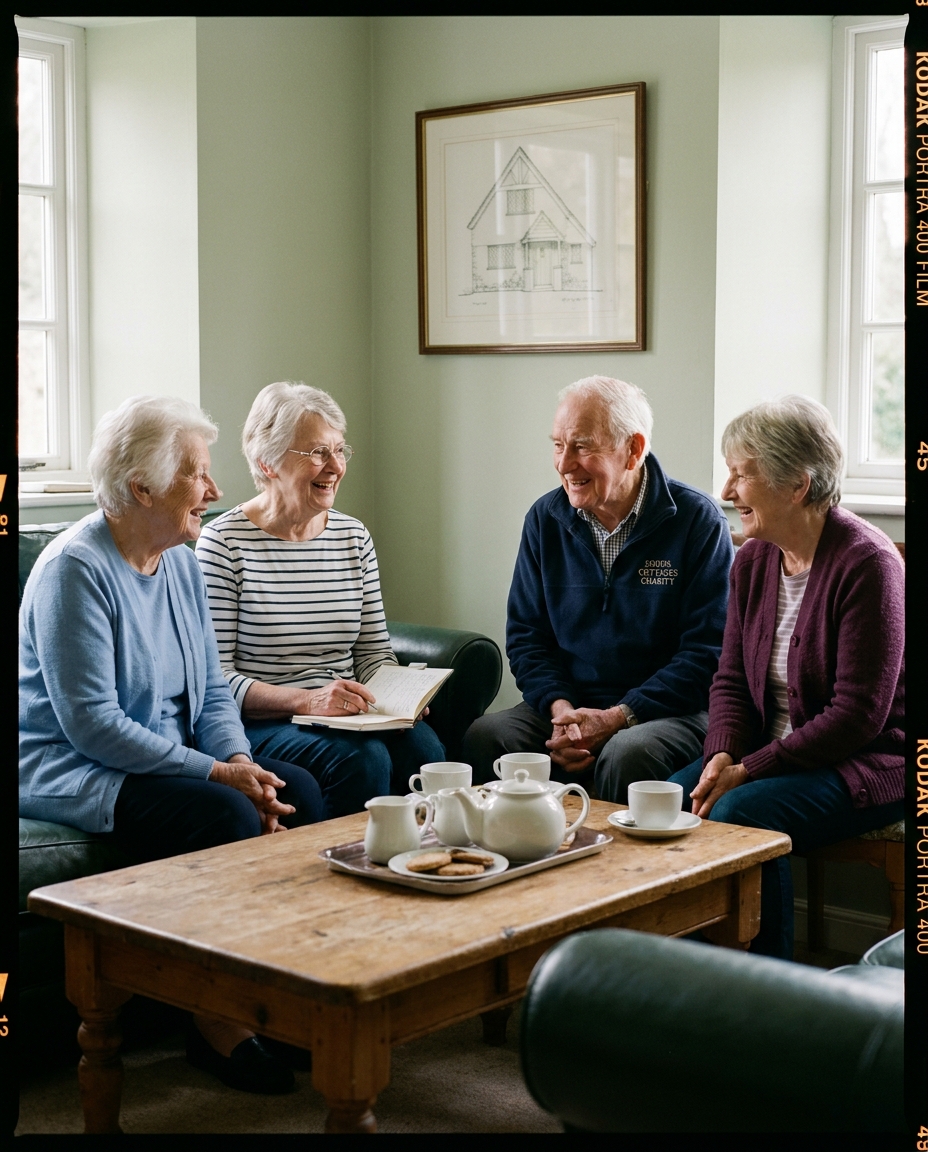
A small group of friends, neighbours and residents sat around a low table in the cottage common room, mid-conversation.
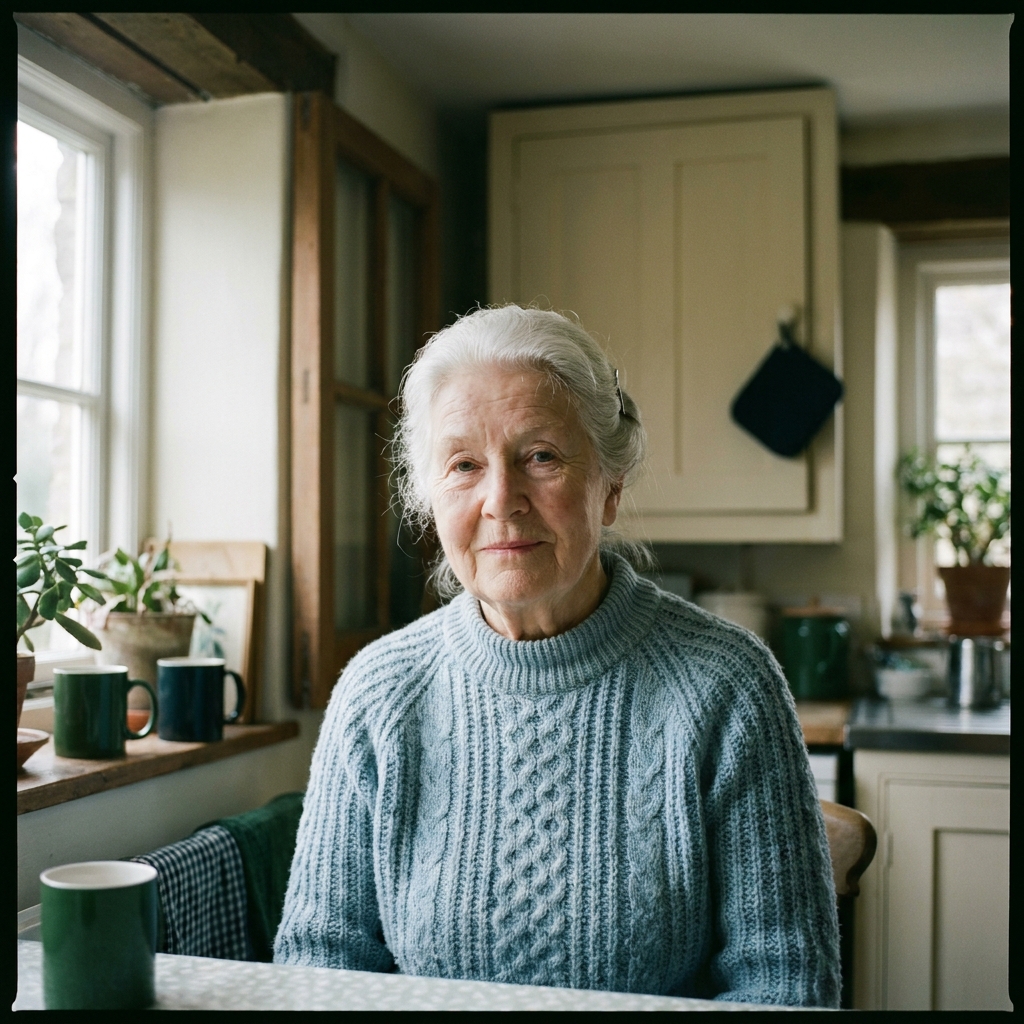
Iris, 81, in soft jumper at her kitchen window.
Iris · 81 · Tring

“The kettle was already on.”

When my husband died I thought I would have to leave the Vale. My daughter lives in Birmingham. I did not want Birmingham — I wanted the Chilterns, and the bus into town, and the surgery I have always known.

The clerk wrote back to me within a week of my first letter. She met me at the gate of cottage one with the front-door key and a kettle already on the boil; she had bought a packet of my favourite biscuits from the Co-op two streets over. I am eighty-one and the small kindness of that has not left me. I have lived here three years. The kettle is still on.
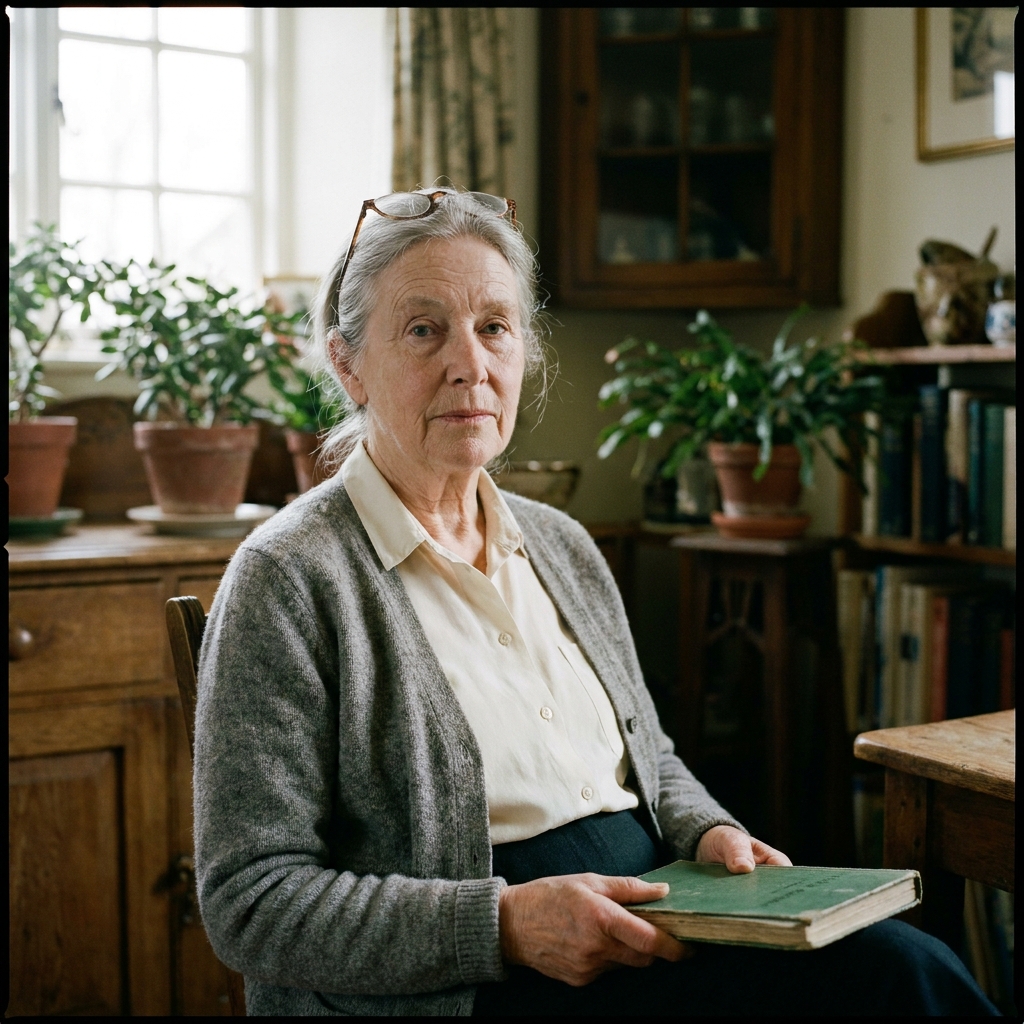
Margaret, 78, with reading glasses and her library notebook.
Margaret · 78 · Tring

“A Tuesday morning that has a purpose.”

I am not here because I am poor. I am here because I do not want to be alone in a three-bedroom house in the rain. I taught at a primary school in Aylesbury for thirty-four years; when I retired I sold the family house, and I came here.

I keep the library catalogue in a green notebook, in pencil. There are three hundred and twenty-one entries in the book. I like the way a Tuesday morning can have a purpose without being a full-time job. The clerk has answered the telephone on a Sunday evening four times in eight years — once for a boiler, twice for a slipped sash, and once because I had locked myself out and was holding a wet shopping bag.

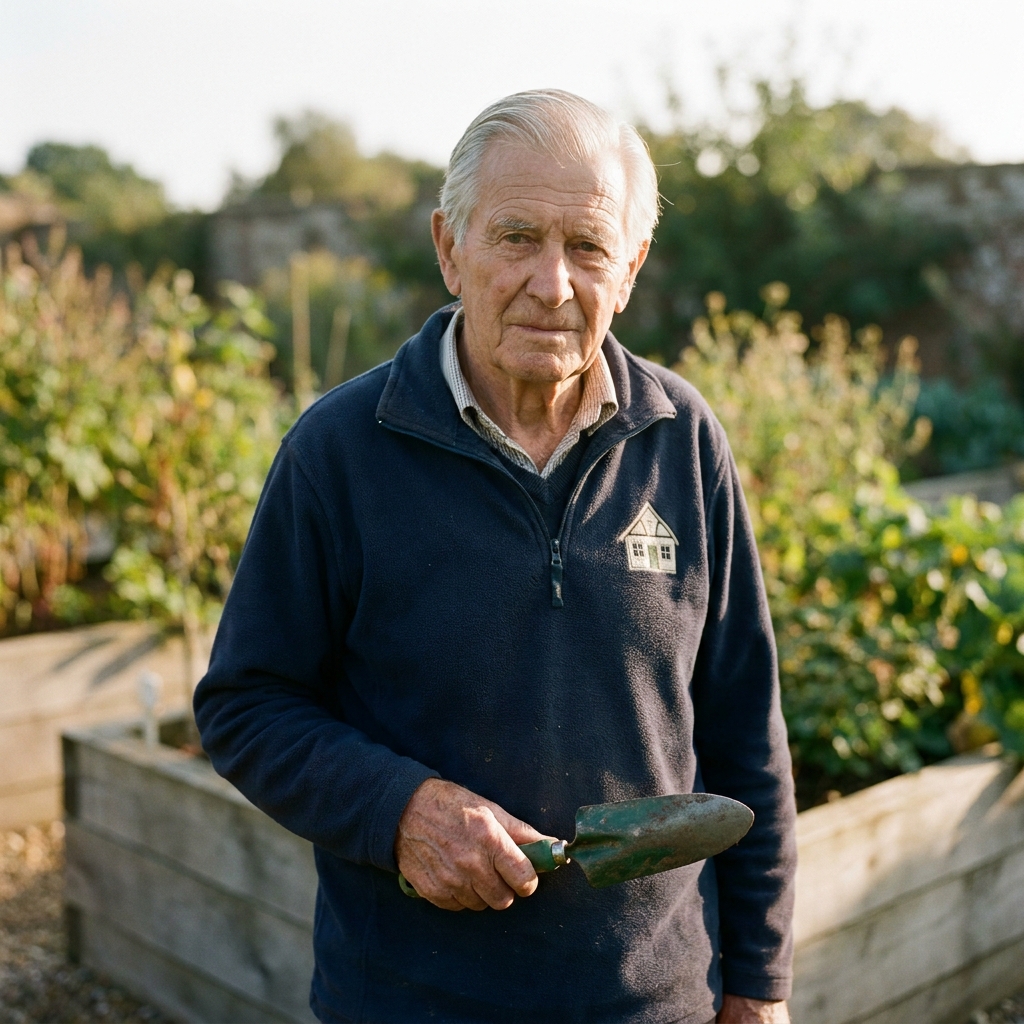
Joseph, 84, in shirt sleeves with a trowel in hand.
Joseph · 84 · Aldbury

“The garden makes a tea-time of itself.”

I worked on the signals between Aylesbury and Marylebone for forty-one years. My back tells me what time of year it is more reliably than the parish calendar.

I have been here six years. I plant the broad beans in the second week of April, and the runner beans the first warm day after the May Day weekend. The two volunteer gardeners come on alternate Saturdays; we negotiate which of the two beds will host the courgettes. The bench is always to be reachable. The garden makes a tea-time of itself, around half past three on a warm afternoon.

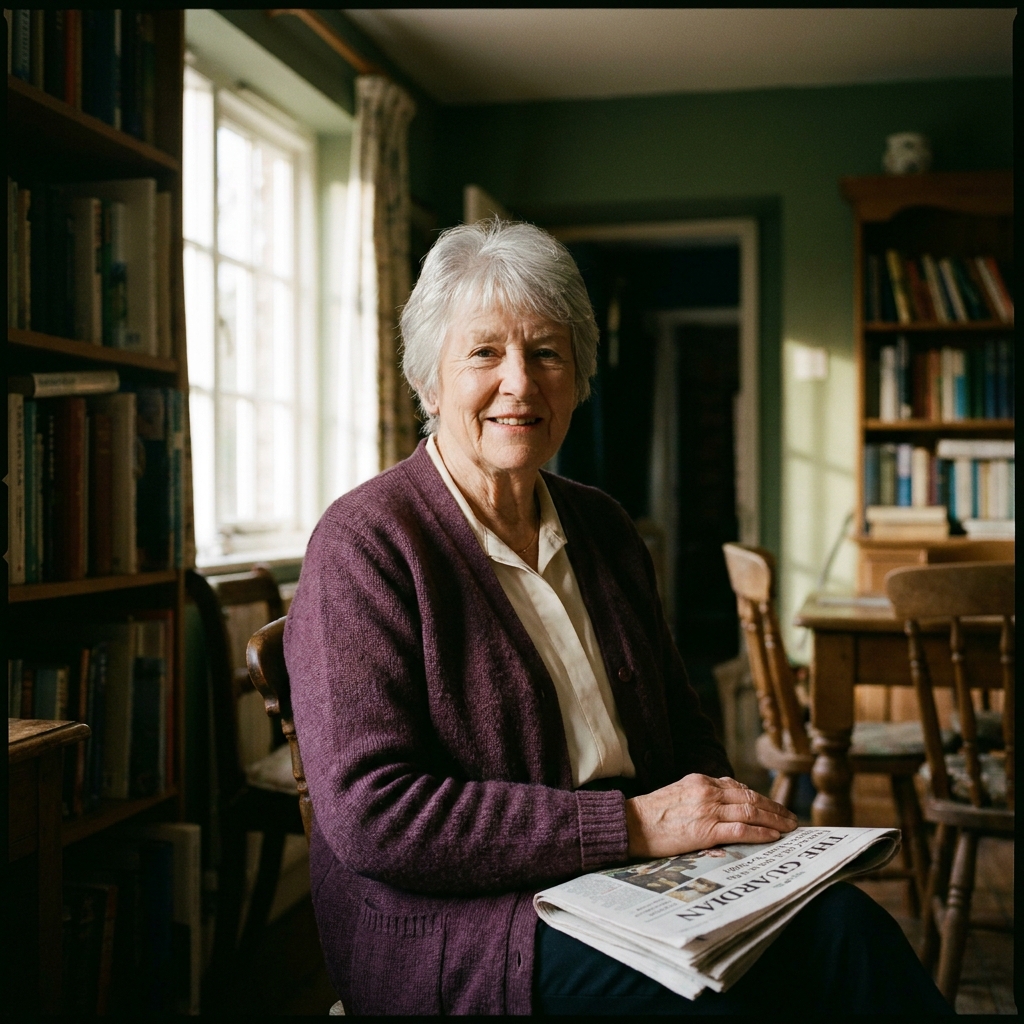
Eileen, 76, with a folded newspaper on her lap.
Eileen · 76 · Tring

“You did not pick them, but it turns out you have.”

In an almshouse you live close to people you did not pick. After a few months you find you have, after all. Joseph teaches me about the broad beans. I read him the bits of the paper he cannot reach for any more. We pass the paper under the connecting door of the common room.

I came to cottage four after my husband and I parted, late in life. The trust treated me — this is the only word for it — like a person who had simply moved house, with no need to explain. I think a great deal of charitable work is about whether or not the person being helped is allowed to keep their dignity. The clerk understands this.

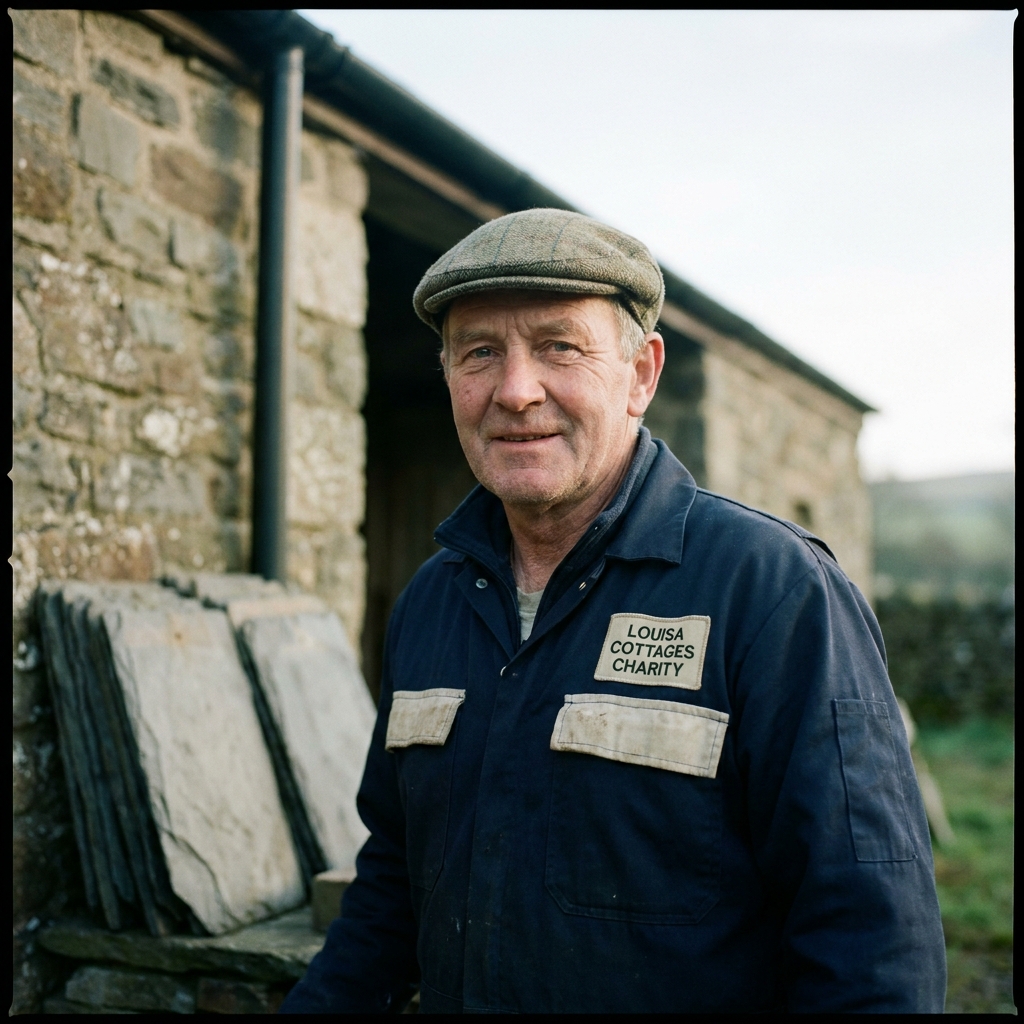
Tom Holden, 62, in work jacket and flat cap, beside a stack of Welsh slates.
Tom Holden · Holden & Sons, Aldbury

“Honest about what they could pay, both times.”

I have done the slates on these cottages twice now, fifteen years apart. They were honest about what they could pay both times, and we always agreed a price that worked. That is rarer than it sounds. Most of the small charities I work for run out of money in the third week of a job and ask, sheepishly, whether the last day might come off the bill.

My grandfather did the south range in 1962. I have his daybook for that month. The price he charged is in shillings and pence. The slates he laid, with one or two exceptions, are still up there. We are going back for them this autumn.

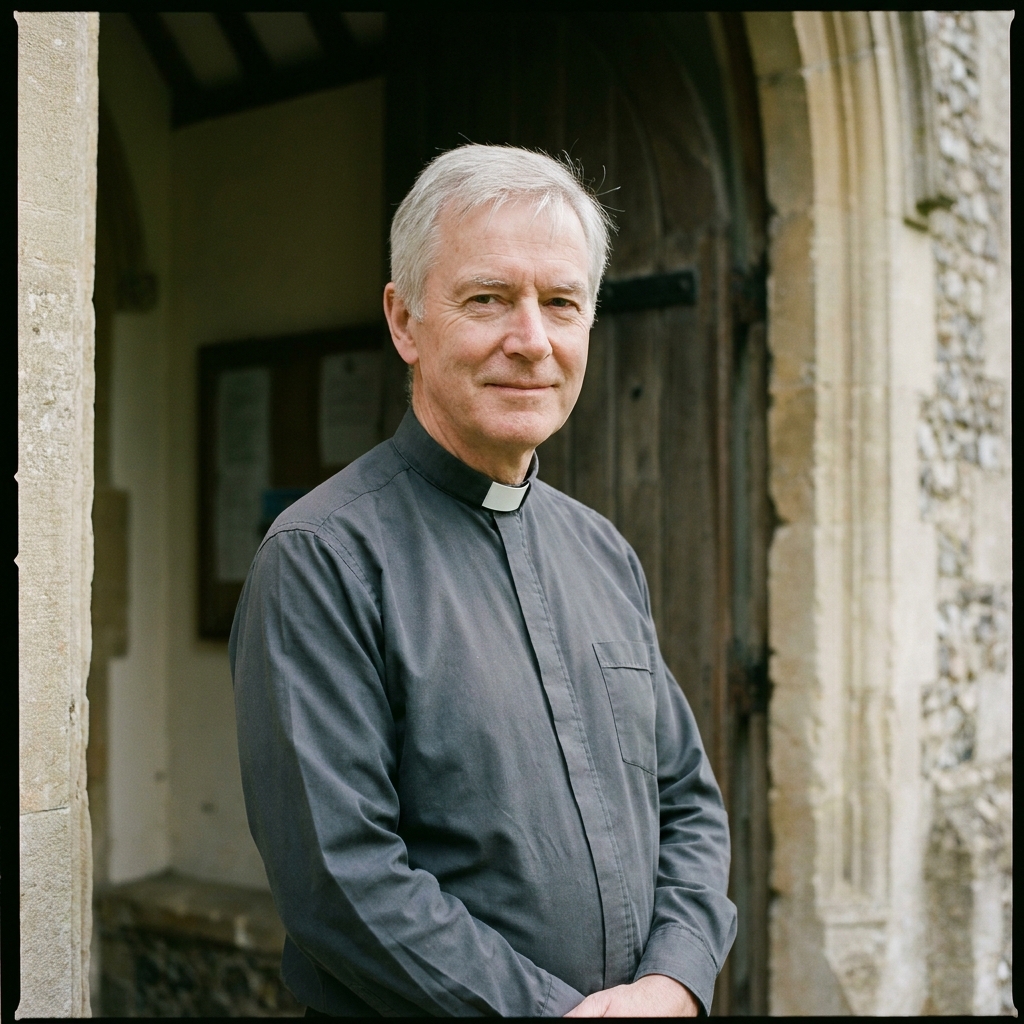
The Reverend Henry Linton in clerical collar at the church porch.
Reverend Henry Linton · Parish of St Peter & St Paul, Tring

“Steadiness, kept up week after week without fuss.”

A small almshouse in a Hertfordshire market town is not where you look for grand programmes. It is where you look for steadiness, kept up week after week without fuss. Louisa Cottages has been that for sixty years, and from the parish’s side of things, it is one of the most quietly important charitable presences in our community.

Our Sunday Doors befriending rota, which the trust and the parish set up together in 1997, has run without a serious break for twenty-eight years. We have placed somewhere over forty pairings in that time. The single most striking thing about the work, looking back, is how unremarkable each individual pairing has felt while it was happening. That is the proper register of this kind of work. It is supposed to be unremarkable.